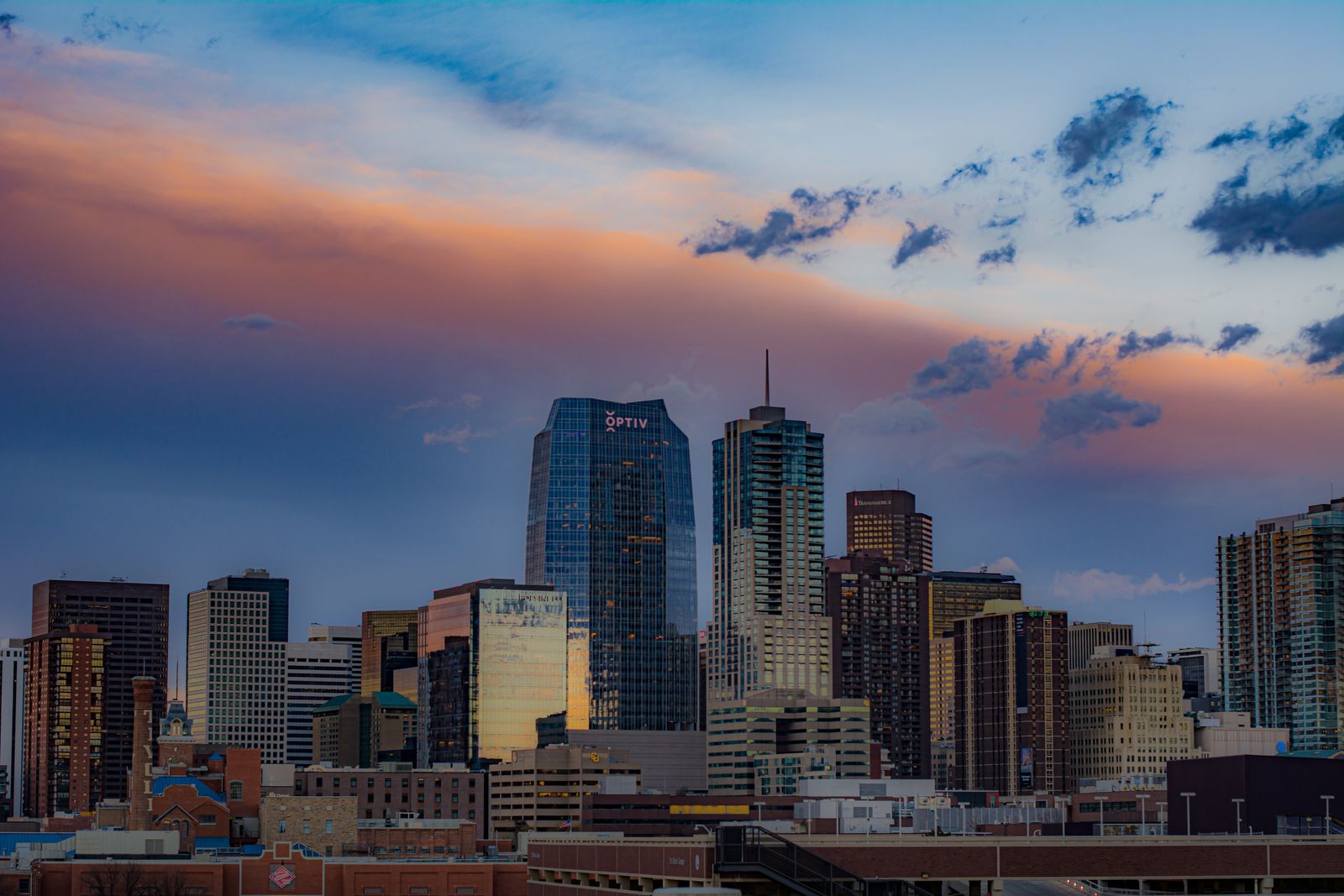
Denver, Colorado. The line is open right now.
They filed it in
ninety seconds.
We take longer.
A charging document is one person's version of one night. Before it becomes a conviction it has to survive discovery, suppression and a jury, and that is where we work.
Colorado charge look-up
Class 1 misdemeanor
C.R.S. 42-4-1301
- Presumptive custody
- Up to 364 days in county jail
- Fine range
- Up to $1,000
- Parole
- None; probation up to 2 years is common
What we look at first. The stop, the roadside manoeuvres, and the instrument's certification and maintenance record.
Plus a separate DMV revocation with a seven day window to demand a hearing.
How we defend thisClass 4 felony
C.R.S. 42-4-1301(1)(a)
- Presumptive custody
- 2 to 6 years
- Fine range
- $2,000 to $500,000
- Parole
- 3 years mandatory parole
What we look at first. Whether each alleged prior is provable and properly counted, before anything else.
Prior convictions from other states count. Proving them is the state's job.
How we defend thisClass 1 misdemeanor
C.R.S. 18-3-204
- Presumptive custody
- Up to 364 days in county jail
- Fine range
- Up to $1,000
- Parole
- None; probation up to 2 years is common
What we look at first. Self defence, the initial aggressor question, and whether bodily injury is actually documented.
An extraordinary risk crime, which raises the top of the range.
How we defend thisClass 4 felony
C.R.S. 18-3-203
- Presumptive custody
- 2 to 6 years
- Fine range
- $2,000 to $500,000
- Parole
- 3 years mandatory parole
What we look at first. The serious bodily injury grading and the crime of violence designation.
Frequently charged as a crime of violence, which makes prison mandatory.
How we defend thisLevel 1 drug misdemeanor
C.R.S. 18-18-403.5
- Presumptive custody
- 6 to 18 months
- Fine range
- Up to $5,000
- Parole
- None; substance treatment conditions are usual
What we look at first. The search. Consent, the extension of a stop for a dog, or a thin warrant affidavit.
Deferred judgment and treatment are realistic outcomes here.
How we defend thisLevel 3 drug felony
C.R.S. 18-18-405
- Presumptive custody
- 2 to 4 years
- Fine range
- $2,000 to $500,000
- Parole
- 1 year mandatory parole
What we look at first. Whether intent is anything more than quantity, and whether the quantity is right.
Packaging, scales, cash and messages are what turn possession into intent.
How we defend thisClass 5 felony
C.R.S. 18-4-401
- Presumptive custody
- 1 to 3 years
- Fine range
- $1,000 to $100,000
- Parole
- 2 years mandatory parole
What we look at first. Fair market valuation at the time of the taking, and improper aggregation of separate incidents.
Moving the value one rung down can move the case out of felony territory.
How we defend thisClass 2 misdemeanor
C.R.S. 18-4-401
- Presumptive custody
- Up to 120 days in county jail
- Fine range
- Up to $750
- Parole
- None
What we look at first. Valuation, claim of right, and whether the intent to permanently deprive is provable.
The most divertable charge on this list for a first offense.
How we defend thisClass 5 felony
C.R.S. 18-5-102
- Presumptive custody
- 1 to 3 years
- Fine range
- $1,000 to $100,000
- Parole
- 2 years mandatory parole
What we look at first. Intent to defraud, authority to sign, and the chain of custody for the document itself.
Often resolvable before filing with a forensic report and restitution.
How we defend thisClass 5 felony
C.R.S. 18-3-206
- Presumptive custody
- 1 to 3 years
- Fine range
- $1,000 to $100,000
- Parole
- 2 years mandatory parole
What we look at first. Whether the object qualifies as a deadly weapon and whether fear was reasonable.
The felony version turns entirely on the weapon element.
How we defend thisPresumptive ranges only. Aggravators, crime of violence designations and prior convictions change every figure here. Reviewed September 2026; confirm against the current statute. Not legal advice.
- Arrest line24 hours, an attorney answers
- Four former prosecutorsState, district and federal offices
- Hablamos españolConsultations and hearings
- Flat feesAgreed in writing, by stage
Six things that happen before anyone argues anything
Criminal defence is mostly logistics done on time. These are the six that decide most Colorado cases.
An attorney answers the arrest line
Not a call centre, not an intake script. The five attorneys rotate the after hours line, and the person who picks up can tell you what to do in the next hour.
The DMV clock is started the same day
If there is a driving allegation, the express consent hearing request goes in before anything else. Seven days is not a suggestion and it is not extended for anyone.
Evidence is preserved before it expires
Body worn camera retention, bar and business cameras, dashcam and telematics all have short windows. Preservation letters go out in week one, not month three.
Flat fees, agreed in writing
Criminal defense in Colorado cannot be taken on contingency. You get a written fee agreement that sets out what is covered at each stage before you pay anything.
We prepare every case for trial
Most matters resolve. They resolve better when the file is genuinely trial ready, because the other side can see it is.
Consequences mapped before any plea
Immigration, professional licensing, firearms, commercial driving and future sealing eligibility, in writing, before you decide anything.
Charges we defend
Charges we defend
Eight kinds of trouble, one way of working.
Colorado grades almost everything by a number: a dollar value, a gram weight, a blood alcohol reading, a prior count. Move the number and the charge moves with it. That is where most of the work happens.
All practice areasDUI and DWAI
Class 1 misdemeanor up to a class 4 felony on a fourth offense
Two cases start the night you are pulled over, and only one of them is in a courtroom. The Division of Motor Vehicles runs on a seven day clock.
Drug charges
Level 2 drug misdemeanor up to a level 1 drug felony
Colorado treats possession and distribution as different animals. Quantity, packaging and a single text message decide which one you are facing.
Assault and menacing
Class 1 misdemeanor up to a class 3 felony, often as a crime of violence
Whether a charge is filed as third degree assault or second degree assault usually turns on two words in a medical report.
Theft and property
Petty offense up to a class 2 felony, purely by dollar value
Colorado theft is a value ladder. Move the number and you move the charge, sometimes across the felony line entirely.
White collar
Class 1 misdemeanor up to a class 2 felony, with parallel regulatory exposure
These cases are usually known about long before they are charged. The window to change the outcome is the investigation, not the trial.
Federal charges
United States District Court for the District of Colorado
Different courthouse, different rules, different arithmetic. The Sentencing Guidelines do most of the work long before anyone stands up.
Traffic and vehicular
Traffic infraction up to a class 3 felony
A points total can end a licence just as effectively as a conviction. Most people plead to the wrong thing without ever being told.
Juvenile cases
Delinquency petitions in Denver Juvenile Court and the surrounding districts
A juvenile case is not a small adult case. Different court, different vocabulary, different outcomes, and a record that can be sealed on a different timetable.
Two cases start the night you are pulled over
Only one of them is in a courtroom. The other takes your licence and gives you seven days to object.
Track one: the DMV
Express Consent revocation, C.R.S. 42-4-1301.1
At the roadside
The officer serves the revocation
If you tested at or above 0.08, or refused, the officer takes the physical licence and hands you an Express Consent Affidavit and Notice of Revocation. That paper is also your temporary permit. Keep it.
Within 7 days
Request the DMV hearing
You have seven days from service to request a hearing at a Colorado Division of Motor Vehicles driver services office. Miss it and the revocation simply begins. This is the single hardest deadline in a DUI case.
About 60 days out
The hearing itself
An administrative hearing officer, not a judge. We can subpoena the officer, cross examine on the stop, the roadside manoeuvres and the testing chain, and argue the affidavit on its face. The standard of proof is a preponderance, not beyond a reasonable doubt.
After the order
Revocation and interlock
A first offence at 0.08 or above is a 9 month revocation, with early reinstatement available after 30 days on an ignition interlock restricted licence. A first refusal is a 1 year revocation with no early reinstatement and a persistent drunk driver designation.
Track two: the court
Criminal case, C.R.S. 42-4-1301
Day one
Summons or bond
Most first offence DUI cases in Denver are filed by summons rather than a hold. If you were booked, the advisement happens within 48 hours and bond conditions usually include no alcohol and sometimes monitoring.
Weeks 2 to 6
Arraignment and discovery
We enter a not guilty plea to preserve every option, then pull the discovery: body worn camera, the intoxilyzer maintenance and certification records, the blood chain of custody, dispatch audio and the officer's training file.
Months 2 to 5
Motions
Reasonable suspicion for the stop. Probable cause for the arrest. Compliance with the Colorado Department of Public Health and Environment testing rules. Whether the roadside manoeuvres were administered as trained. A granted suppression motion often ends the case.
Months 4 to 9
Disposition or trial
Either a negotiated resolution, often a DWAI where the evidence supports it, or a jury trial. A first offence DUI is tried to a jury of six in county court.
Winning one track does not win the other. The DMV decides on a preponderance of the evidence and can revoke a licence in a case that later ends without a criminal conviction. The reverse is also true.
What the number on the report means
0.05 to under 0.08
DWAI
Driving while ability impaired. A permissible inference of impairment applies. 8 points on a first offence.
C.R.S. 42-4-1301(1)(b)
0.08 and above
DUI per se
The state does not have to prove impairment separately at this level. 12 points on a first offence, which is itself enough to revoke.
C.R.S. 42-4-1301(2)(a)
0.15 and above
Persistent drunk driver
Triggers the persistent drunk driver designation: Level II alcohol education and therapy, and an ignition interlock requirement of at least two years.
C.R.S. 42-1-102(68.5)
Refusal
Express consent refusal
Treated as a persistent drunk driver, one year revocation, and the refusal itself is admissible against you at trial.
C.R.S. 42-4-1301.1(2)
What the class on your paperwork actually means
Colorado sets a presumptive range for every offense class. Everything else in a negotiation is measured against these numbers.
| Class | Presumptive custody | Fine range | Mandatory parole | Typical counts |
|---|---|---|---|---|
| F1Class 1 felonyC.R.S. 18-1.3-401 | Life in the custody of the Department of Corrections | No presumptive fine range; restitution still applies | No parole eligibility on a class 1 felony sentence | First degree murder / First degree kidnapping where the victim is injured |
| F2Class 2 felonyC.R.S. 18-1.3-401(1)(a)(V) | 8 to 24 years | $5,000 to $1,000,000 | 5 years mandatory parole | Second degree murder / First degree assault (extraordinary risk) / Theft of $1,000,000 or more |
| F3Class 3 felonyC.R.S. 18-1.3-401(1)(a)(V) | 4 to 12 years | $3,000 to $750,000 | 5 years mandatory parole | Second degree assault / Aggravated robbery / Theft of $100,000 up to $1,000,000 |
| F4Class 4 felonyC.R.S. 18-1.3-401(1)(a)(V) | 2 to 6 years | $2,000 to $500,000 | 3 years mandatory parole | Fourth or subsequent DUI / Vehicular assault while intoxicated / Theft of $20,000 up to $100,000 |
| F5Class 5 felonyC.R.S. 18-1.3-401(1)(a)(V) | 1 to 3 years | $1,000 to $100,000 | 2 years mandatory parole | Menacing with a deadly weapon / Forgery of a government instrument / Theft of $5,000 up to $20,000 |
| F6Class 6 felonyC.R.S. 18-1.3-401(1)(a)(V) | 1 year to 18 months | $1,000 to $100,000 | 1 year mandatory parole | Possession of a weapon by a previous offender / Criminal impersonation / Theft of $2,000 up to $5,000 |
| DF1Level 1 drug felonyC.R.S. 18-1.3-401.5 | 8 to 32 years | $5,000 to $1,000,000 | 3 years mandatory parole | Distribution of more than 225 grams of a schedule I or II controlled substance |
| DF2Level 2 drug felonyC.R.S. 18-1.3-401.5 | 4 to 8 years | $3,000 to $750,000 | 2 years mandatory parole | Distribution in the mid quantity bands / Manufacture of a schedule I or II substance |
| DF3Level 3 drug felonyC.R.S. 18-1.3-401.5 | 2 to 4 years | $2,000 to $500,000 | 1 year mandatory parole | Distribution of small quantities / Possession with intent in the lower bands |
| DF4Level 4 drug felonyC.R.S. 18-1.3-401.5 | 6 months to 1 year | $1,000 to $100,000 | 1 year mandatory parole | Possession of more than 4 grams of a schedule I or II substance / Possession of more than 2 grams of methamphetamine or heroin |
| M1Class 1 misdemeanorC.R.S. 18-1.3-501 | Up to 364 days in county jail | Up to $1,000 | None; probation up to 2 years is common | Third degree assault / Second offense DUI / Theft of $1,000 up to $2,000 |
| M2Class 2 misdemeanorC.R.S. 18-1.3-501 | Up to 120 days in county jail | Up to $750 | None | Harassment / Criminal mischief under $1,000 / Theft of $300 up to $1,000 |
| DM1Level 1 drug misdemeanorC.R.S. 18-1.3-501(1)(d) | 6 to 18 months | Up to $5,000 | None; substance treatment conditions are usual | Possession of up to 4 grams of a schedule I or II substance / Possession of more than 6 ounces of marijuana |
| DM2Level 2 drug misdemeanorC.R.S. 18-1.3-501(1)(d) | Up to 12 months | Up to $750 | None | Possession of a schedule V substance / Possession of drug paraphernalia in some postures |
| POPetty offenseC.R.S. 18-1.3-503 | Up to 10 days in county jail | Up to $300 | None | Theft under $300 / First offense disorderly conduct in some postures |
- F1
Class 1 felony
- Custody
- Life in the custody of the Department of Corrections
- Fine
- No presumptive fine range; restitution still applies
- Parole
- No parole eligibility on a class 1 felony sentence
- Counts
- First degree murder / First degree kidnapping where the victim is injured
Colorado repealed the death penalty in 2020. A class 1 felony now carries life without parole.
C.R.S. 18-1.3-401
- F2
Class 2 felony
- Custody
- 8 to 24 years
- Fine
- $5,000 to $1,000,000
- Parole
- 5 years mandatory parole
- Counts
- Second degree murder / First degree assault (extraordinary risk) / Theft of $1,000,000 or more
C.R.S. 18-1.3-401(1)(a)(V)
- F3
Class 3 felony
- Custody
- 4 to 12 years
- Fine
- $3,000 to $750,000
- Parole
- 5 years mandatory parole
- Counts
- Second degree assault / Aggravated robbery / Theft of $100,000 up to $1,000,000
C.R.S. 18-1.3-401(1)(a)(V)
- F4
Class 4 felony
- Custody
- 2 to 6 years
- Fine
- $2,000 to $500,000
- Parole
- 3 years mandatory parole
- Counts
- Fourth or subsequent DUI / Vehicular assault while intoxicated / Theft of $20,000 up to $100,000
C.R.S. 18-1.3-401(1)(a)(V)
- F5
Class 5 felony
- Custody
- 1 to 3 years
- Fine
- $1,000 to $100,000
- Parole
- 2 years mandatory parole
- Counts
- Menacing with a deadly weapon / Forgery of a government instrument / Theft of $5,000 up to $20,000
C.R.S. 18-1.3-401(1)(a)(V)
- F6
Class 6 felony
- Custody
- 1 year to 18 months
- Fine
- $1,000 to $100,000
- Parole
- 1 year mandatory parole
- Counts
- Possession of a weapon by a previous offender / Criminal impersonation / Theft of $2,000 up to $5,000
The lowest felony. It is also the level most often negotiated down to a misdemeanor.
C.R.S. 18-1.3-401(1)(a)(V)
- DF1
Level 1 drug felony
- Custody
- 8 to 32 years
- Fine
- $5,000 to $1,000,000
- Parole
- 3 years mandatory parole
- Counts
- Distribution of more than 225 grams of a schedule I or II controlled substance
C.R.S. 18-1.3-401.5
- DF2
Level 2 drug felony
- Custody
- 4 to 8 years
- Fine
- $3,000 to $750,000
- Parole
- 2 years mandatory parole
- Counts
- Distribution in the mid quantity bands / Manufacture of a schedule I or II substance
C.R.S. 18-1.3-401.5
- DF3
Level 3 drug felony
- Custody
- 2 to 4 years
- Fine
- $2,000 to $500,000
- Parole
- 1 year mandatory parole
- Counts
- Distribution of small quantities / Possession with intent in the lower bands
C.R.S. 18-1.3-401.5
- DF4
Level 4 drug felony
- Custody
- 6 months to 1 year
- Fine
- $1,000 to $100,000
- Parole
- 1 year mandatory parole
- Counts
- Possession of more than 4 grams of a schedule I or II substance / Possession of more than 2 grams of methamphetamine or heroin
A level 4 drug felony can convert to a level 1 drug misdemeanor on successful completion of a deferred judgment or probation under C.R.S. 18-1.3-103.5.
C.R.S. 18-1.3-401.5
- M1
Class 1 misdemeanor
- Custody
- Up to 364 days in county jail
- Fine
- Up to $1,000
- Parole
- None; probation up to 2 years is common
- Counts
- Third degree assault / Second offense DUI / Theft of $1,000 up to $2,000
Capped at 364 days rather than a year so that a conviction does not trigger automatic federal immigration consequences.
C.R.S. 18-1.3-501
- M2
Class 2 misdemeanor
- Custody
- Up to 120 days in county jail
- Fine
- Up to $750
- Parole
- None
- Counts
- Harassment / Criminal mischief under $1,000 / Theft of $300 up to $1,000
C.R.S. 18-1.3-501
- DM1
Level 1 drug misdemeanor
- Custody
- 6 to 18 months
- Fine
- Up to $5,000
- Parole
- None; substance treatment conditions are usual
- Counts
- Possession of up to 4 grams of a schedule I or II substance / Possession of more than 6 ounces of marijuana
C.R.S. 18-1.3-501(1)(d)
- DM2
Level 2 drug misdemeanor
- Custody
- Up to 12 months
- Fine
- Up to $750
- Parole
- None
- Counts
- Possession of a schedule V substance / Possession of drug paraphernalia in some postures
C.R.S. 18-1.3-501(1)(d)
- PO
Petty offense
- Custody
- Up to 10 days in county jail
- Fine
- Up to $300
- Parole
- None
- Counts
- Theft under $300 / First offense disorderly conduct in some postures
Colorado also created the civil infraction, which carries a fine of up to $100 and no jail at all.
C.R.S. 18-1.3-503
These are presumptive ranges. Aggravators under C.R.S. 18-1.3-401(6) and (8), extraordinary risk designations and crime of violence counts all move them. Sentencing statutes are amended most sessions. Reviewed September 2026; confirm the current text before relying on any figure here. This page is information, not legal advice.
The sentences that actually protect you
Not paraphrases. The words to say, in four situations, and the things that turn a charge into two charges.

A traffic stop on Speer at 1am
You must hand over licence, registration and proof of insurance. Everything beyond that is a conversation you are allowed to decline, politely and completely.
Say this
Here is my licence, registration and insurance.
Officer, I am not going to answer questions. I would like a lawyer.
I do not consent to a search of my car.
Am I free to go?
Not this
- Do not guess at how many drinks you had. There is no answer that helps you.
- Do not agree to roadside manoeuvres. They are voluntary and they are scored against you.
- Do not argue, and do not touch the officer. Refusing is legal; resisting is a new charge.
- Do not refuse the evidentiary breath or blood test without understanding that refusal carries its own one year revocation.
Driving documents: C.R.S. 42-2-101 and 42-4-1409. Evidentiary testing: C.R.S. 42-4-1301.1.
Officers knocking at your apartment
A knock is not a warrant. You can speak through the door. If they have a warrant, ask them to hold it up so you can read the address and what it authorises.
Say this
I am not opening the door. Do you have a warrant?
Please hold the warrant up to the window so I can read it.
I do not consent to a search of my home.
I am not answering questions. I want to speak with my lawyer.
Not this
- Do not step outside. Stepping out can be treated as consent to the encounter.
- Do not let anyone in to talk. Once inside, anything in plain view is theirs.
- Do not move, hide or delete anything. That turns a possible charge into tampering under C.R.S. 18-8-610.
- Do not let a roommate consent for an area that is yours alone.
Fourth Amendment; Colo. Const. art. II, sec. 7. Tampering with physical evidence: C.R.S. 18-8-610.
Booked at the Denver Detention Center
Miranda only bites once you are in custody and being interrogated. The protection is not automatic. You have to say the words, clearly, and then stop talking.
Say this
I am going to remain silent.
I want a lawyer. I am not answering any questions until my lawyer is here.
I do not consent to any search.
I am not waiving anything.
Not this
- Do not explain your side. Officers are trained to let you talk, and the recording never stops.
- Do not answer 'just a few background questions' after invoking. Re-invoke instead.
- Do not discuss the case on a jail phone. Every line except the attorney line is recorded.
- Do not talk to a cellmate about the case. Cellmates testify.
Miranda v. Arizona, 384 U.S. 436 (1966). An invocation must be unambiguous: Davis v. United States, 512 U.S. 452 (1994).

The first 72 hours after you get out
The case is now a paper trail. What you preserve this week is often what wins a motion four months from now.
Say this
Write down everything you remember tonight, while it is fresh, and date it.
Photograph any injuries, damage or clothing before anything changes.
Ask a lawyer before contacting anyone named in a protection order.
Bring the bond paperwork and the summons to the first meeting.
Not this
- Do not post about it. Screenshots of deleted posts still get filed as exhibits.
- Do not contact a protected party, even if they call you first. That is a separate charge under C.R.S. 18-6-803.5.
- Do not miss the DMV seven day window if there is a driving allegation.
- Do not talk to an investigator who calls you 'just to clear something up'.
Mandatory protection order in every criminal case: C.R.S. 18-1-1001. Violation of a protection order: C.R.S. 18-6-803.5.
Four of the five used to file these cases
Knowing how a charging decision is made, and who has to sign off on a plea offer, is not a talking point. It changes what you ask for and when.

Marcus Sterling
Founding partner
Formerly: Chief Deputy District Attorney, Second Judicial District
- Felony trials
- Assault cases
- Crime of violence

Priya Raghunathan
Partner, federal practice
Formerly: Assistant United States Attorney, District of Colorado
- Federal charges
- White collar
- Guidelines

Elena Vargas-Ortiz
Partner, DUI and DMV practice
Formerly: Deputy District Attorney, Eighteenth Judicial District
- DUI and DWAI
- Express consent
- Traffic cases
Theo Okonkwo
Senior associate
Formerly: Colorado State Public Defender, Denver and Arapahoe trial offices
- Drug charges
- Suppression
- Jury trials

Hannah Lindqvist
Associate, juvenile and record sealing
Formerly: Deputy District Attorney, First Judicial District, juvenile unit
- Juvenile cases
- Record sealing
- Diversion
Problem, approach, outcome
No figures, no awards, no headline numbers. Just what the case was and what happened to it.
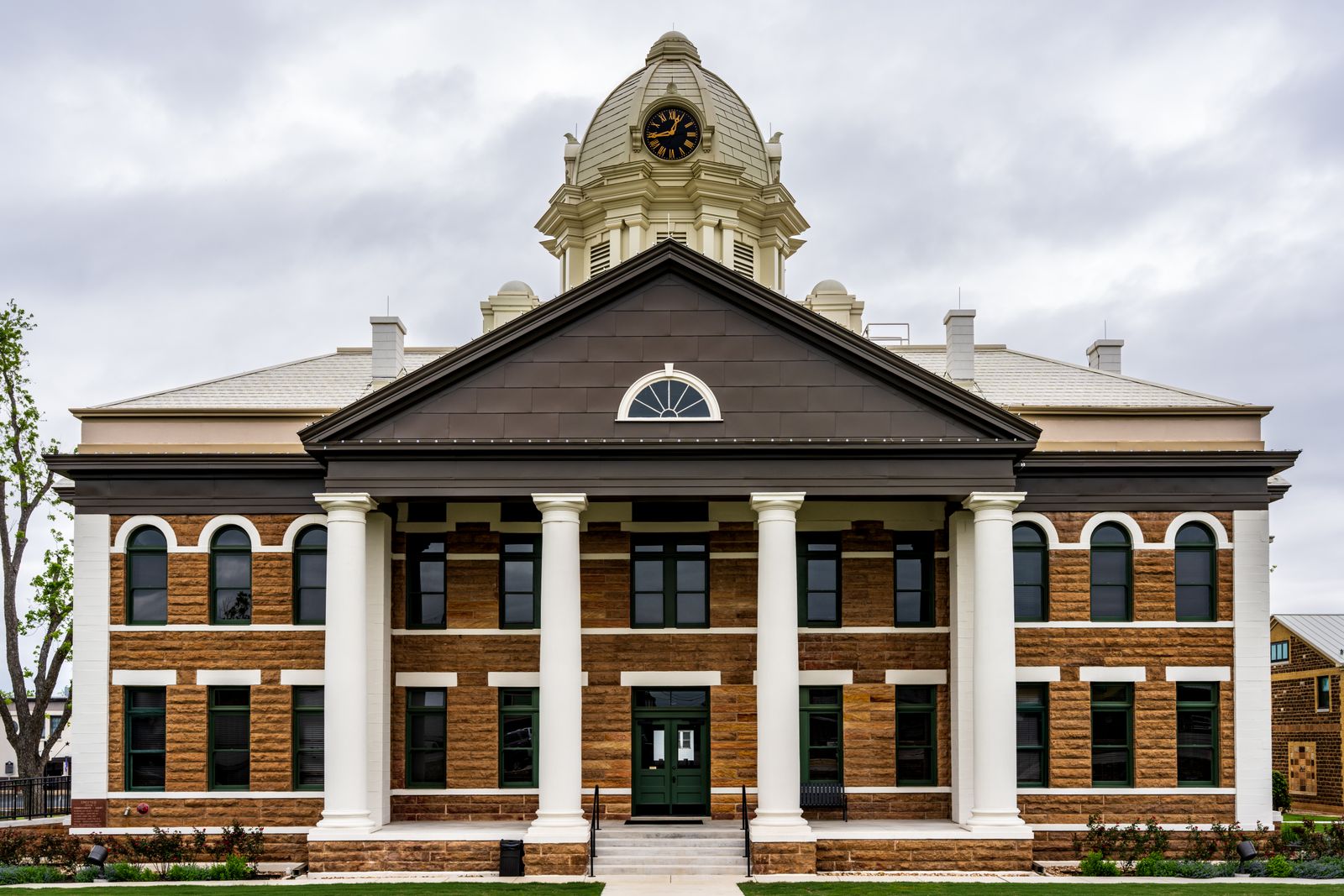


We do not publish numbers.
Invented settlement figures are the least honest thing on a criminal defence website, and in this practice area they are meaningless anyway: nobody wins money. What is worth reading is the shape of the case.
Problem. What was charged and what was at stake.Approach. What we actually did about it.Outcome. How the matter ended.
Read the outcomes- DUI and DWAI
A breath result with a maintenance gap behind it
A client stopped on Speer Boulevard after a late shift blew above the per se limit. The report read cleanly and the arrest looked routine. The licence was taken at the roadside and the seven day clock had already started.
Approach and outcome - Drug charges
Constructive possession in a car with four people in it
A search of a vehicle during a traffic stop produced a quantity that put our client, a passenger, at felony level exposure. Everyone in the car was charged identically.
Approach and outcome - Assault
A second degree assault charge that the video did not support
A client was charged with second degree assault as a crime of violence after an altercation outside a bar on Blake Street. A crime of violence designation would have meant a mandatory prison sentence in the aggravated range.
Approach and outcome
Most people who could seal a record do not know it
Answer three questions against the waiting periods in C.R.S. 24-72-705 and 706.
- A case that ended in dismissal or acquittal is handled under C.R.S. 24-72-705 and generally has no waiting period at all.
- A completed deferred judgment ends in a dismissal, which is why deferred judgments are worth negotiating hard for.
- Sealing hides the record from most background checks. It does not destroy it: law enforcement, the courts and some licensing bodies still see it.
- Convictions for offenses that are no longer crimes in Colorado, including most old marijuana possession cases, have their own route under C.R.S. 24-72-704.
A guide, not an eligibility determination. Sealing also depends on the specific offense, any objection from the district attorney, and whether other cases are pending. Waiting periods are statutory and change. Reviewed September 2026; confirm the current text of C.R.S. 24-72-701 to 709. Nothing here is legal advice.
The buildings your case passes through
Four judicial districts, three county justice centers and one federal courthouse, all within about forty minutes of the office.
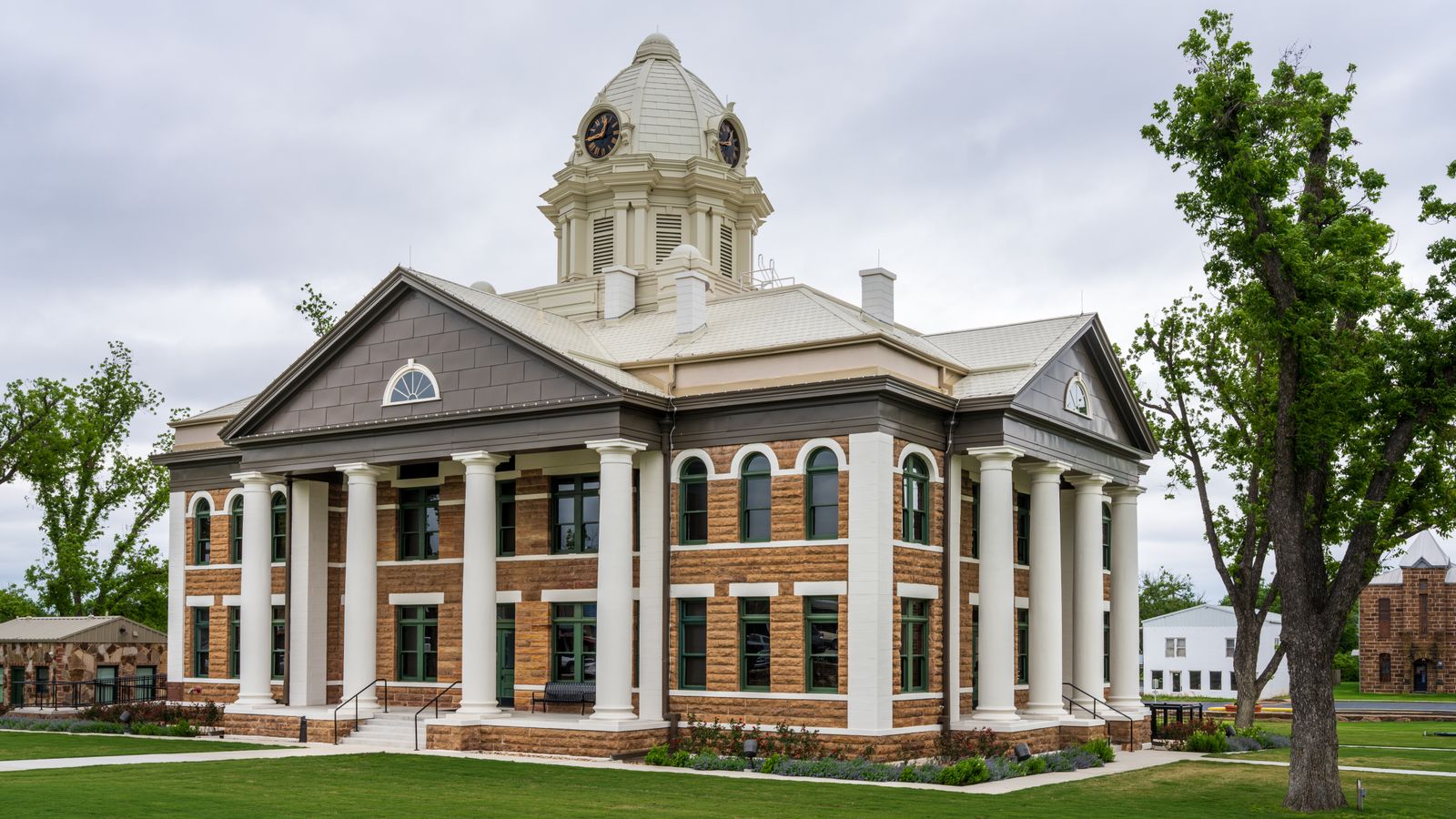
Lindsey-Flanigan Courthouse
Denver district, county and juvenile divisions, 520 West Colfax Avenue.

Denver Detention Center
Across Colfax from the courthouse. Advisements on the next court day.
County court, division 2
Where a first offence DUI is tried, to a jury of six.

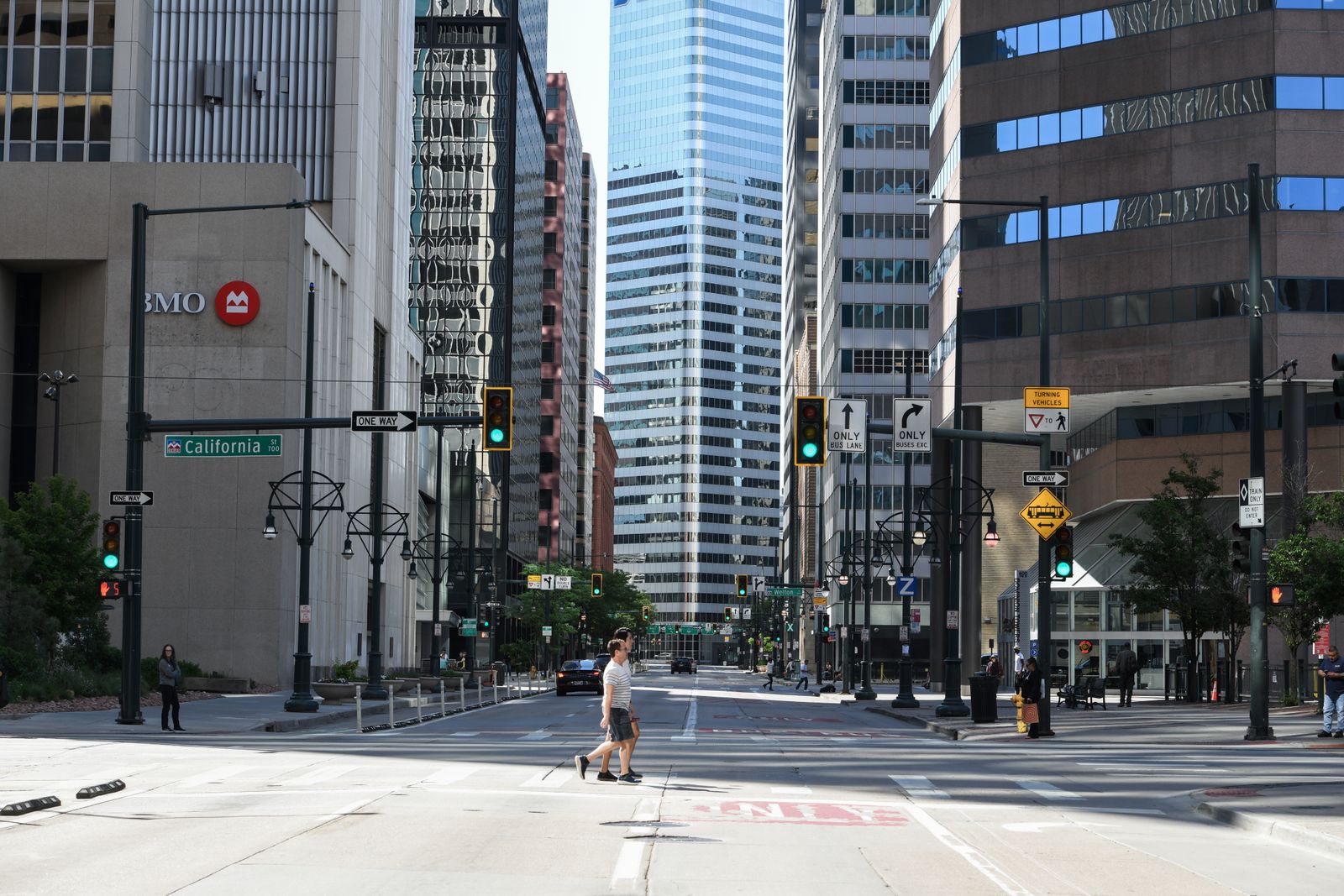
Arraj Courthouse
U.S. District Court for the District of Colorado, 901 19th Street.
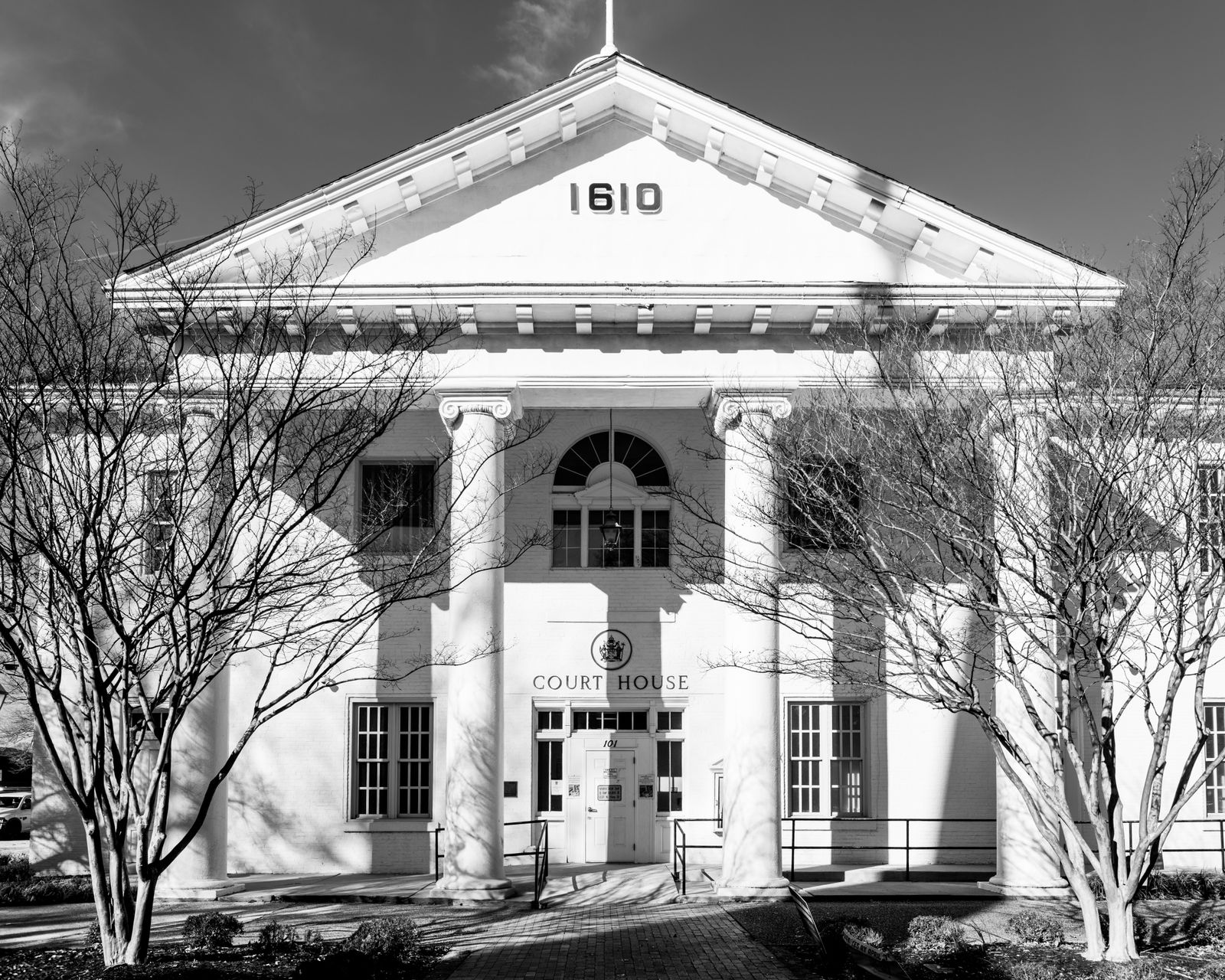
Arapahoe County Justice Center
Eighteenth Judicial District, Centennial. Ten minutes from our office there.
Jefferson County Courts
Golden. Where most West Metro felony filings are heard.
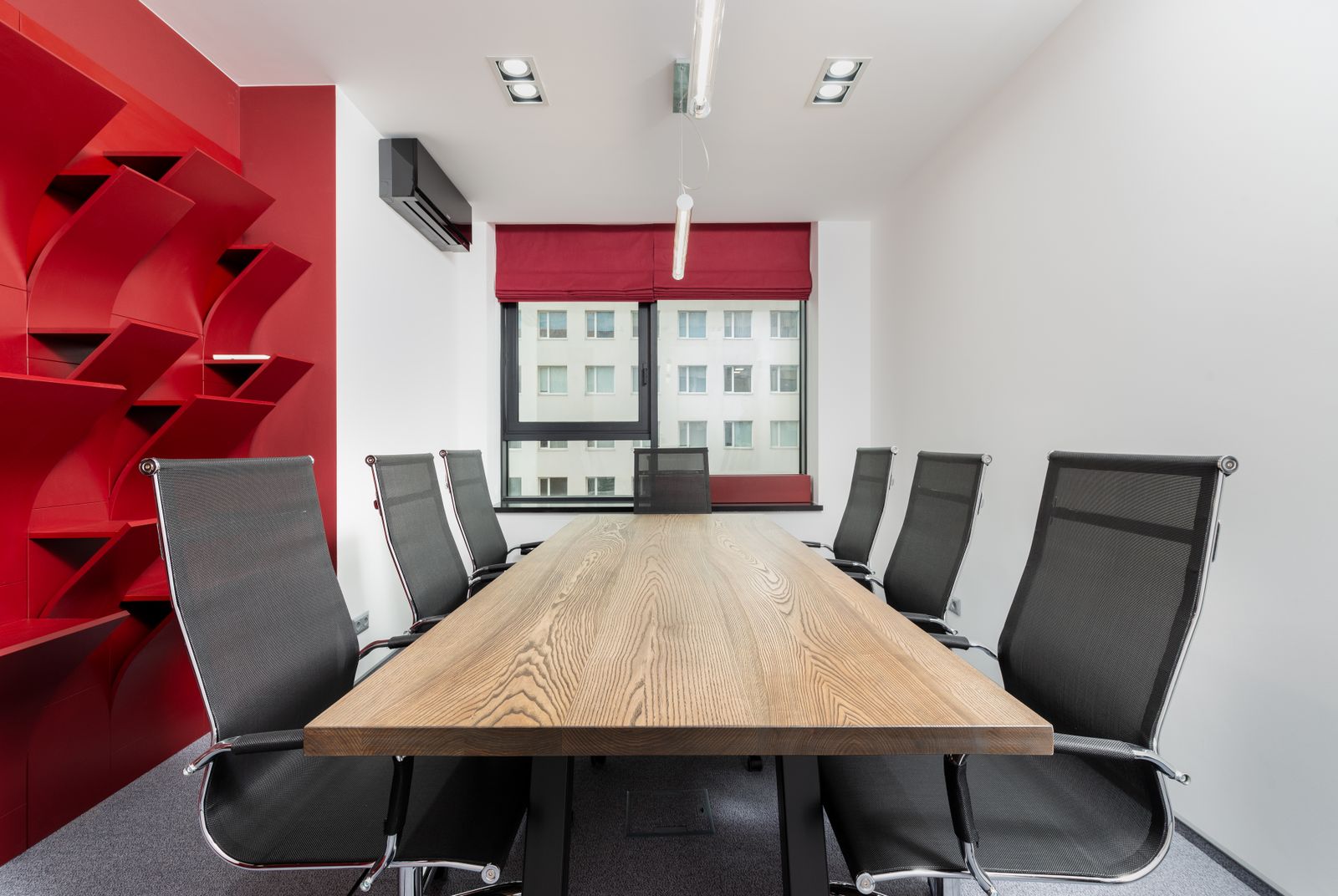
Three offices, chosen for their drive time to a courthouse
Denver for the Second Judicial District and the federal court, Centennial for the Eighteenth, Lakewood for the First.

Denver, Lincoln Street
1660 Lincoln Street, Suite 2200
Denver, CO 80264Today: By appointment. Arrest line 24 hours.
- Denver County Court, 520 West Colfax Avenue
- Denver District Court, Lindsey-Flanigan Courthouse
- Denver Juvenile Court, Lindsey-Flanigan Courthouse
Centennial, Arapahoe County
6900 South Yosemite Street, Suite 110
Centennial, CO 80112Today: By appointment. Arrest line 24 hours.
- Arapahoe County District Court, Eighteenth Judicial District
- Arapahoe County Court, Centennial and Littleton divisions
- Douglas County Combined Courts, Castle Rock

Lakewood, Jefferson County
355 Union Boulevard, Suite 250
Lakewood, CO 80228Today: By appointment. Arrest line 24 hours.
- Jefferson County Combined Courts, Golden
- Lakewood Municipal Court
- Golden Municipal Court
National Association of Criminal Defense Lawyers
Firm membership since 2015
Colorado Criminal Defense Bar
All five attorneys are members
Four former prosecutors
State, district and federal offices
NHTSA field sobriety certified
Same curriculum officers are trained on
Tenth Circuit admitted
Two attorneys, federal appellate practice
Hablamos español
Consultations, hearings and documents
An arrest is not a verdict.A charge is an accusation someone typed at the end of a long shift.Between that night and a courtroom there is a great deal of work, and almost all of it is ours.
We do not tell clients what they want to hear. We tell them what the file says, what the statute allows, and what we think will actually happen. Sometimes that conversation is short and the answer is good. Sometimes it is long.
What does not change is the standard. Every case gets the records pulled, the deadlines calendared, the motion written and the consequences mapped, whether it is a petty theft or a federal conspiracy. That is not a promise about outcomes. It is a description of the work.
Sterling Defense Attorneys, Denver
If any of this is happening to you, the first conversation is free and it is with an attorney.
Contacting us does not create an attorney-client relationship.