
Guide
The sentences that actually protect you
Rights are only useful if you say them out loud and unambiguously. These are the words, the reasons and the authority underneath.
Four situations
Polite, short, repeated if necessary. You do not have to argue, and arguing does not help.

A traffic stop on Speer at 1am
You must hand over licence, registration and proof of insurance. Everything beyond that is a conversation you are allowed to decline, politely and completely.
Say this
Here is my licence, registration and insurance.
Officer, I am not going to answer questions. I would like a lawyer.
I do not consent to a search of my car.
Am I free to go?
Not this
- Do not guess at how many drinks you had. There is no answer that helps you.
- Do not agree to roadside manoeuvres. They are voluntary and they are scored against you.
- Do not argue, and do not touch the officer. Refusing is legal; resisting is a new charge.
- Do not refuse the evidentiary breath or blood test without understanding that refusal carries its own one year revocation.
Driving documents: C.R.S. 42-2-101 and 42-4-1409. Evidentiary testing: C.R.S. 42-4-1301.1.
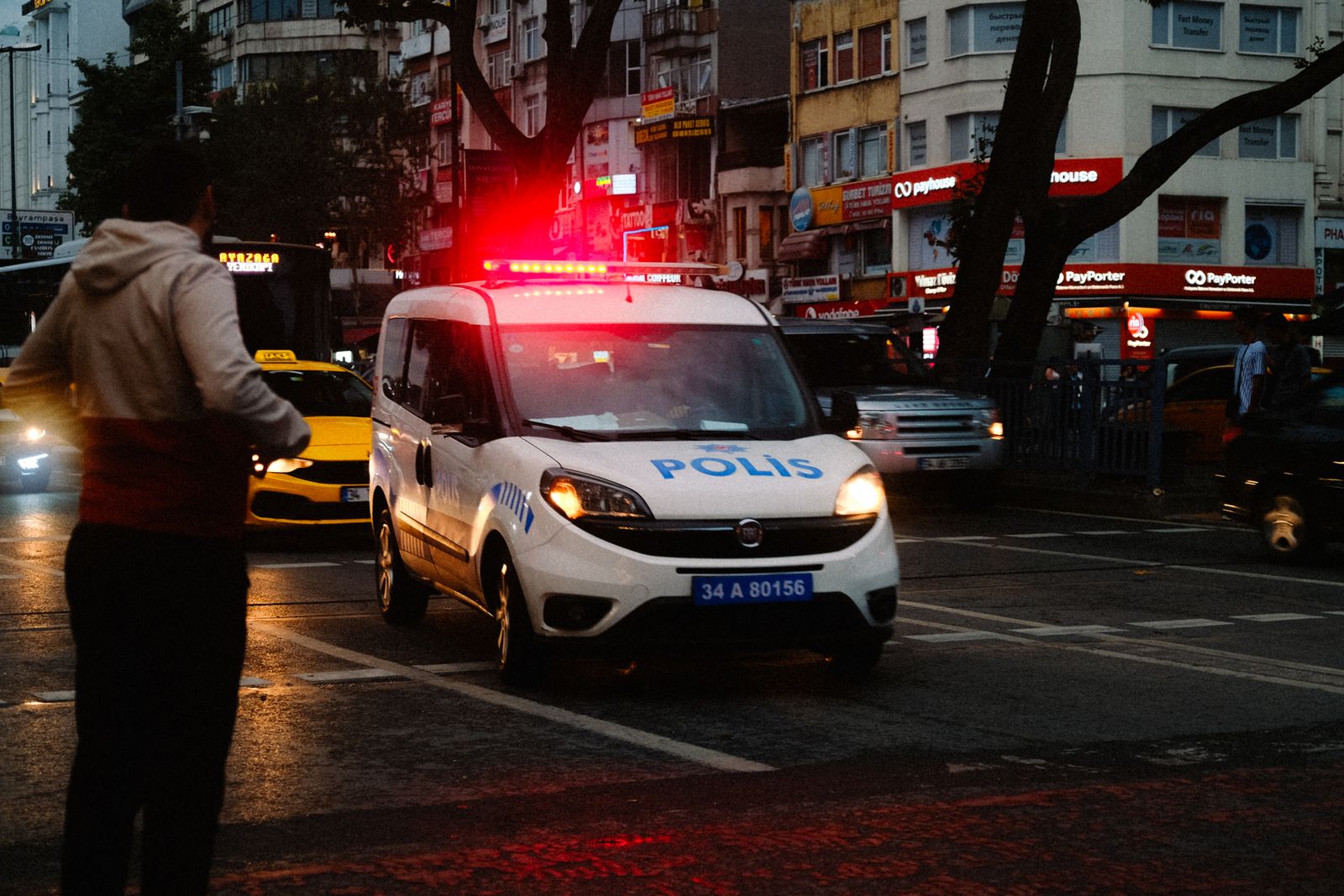
Officers knocking at your apartment
A knock is not a warrant. You can speak through the door. If they have a warrant, ask them to hold it up so you can read the address and what it authorises.
Say this
I am not opening the door. Do you have a warrant?
Please hold the warrant up to the window so I can read it.
I do not consent to a search of my home.
I am not answering questions. I want to speak with my lawyer.
Not this
- Do not step outside. Stepping out can be treated as consent to the encounter.
- Do not let anyone in to talk. Once inside, anything in plain view is theirs.
- Do not move, hide or delete anything. That turns a possible charge into tampering under C.R.S. 18-8-610.
- Do not let a roommate consent for an area that is yours alone.
Fourth Amendment; Colo. Const. art. II, sec. 7. Tampering with physical evidence: C.R.S. 18-8-610.
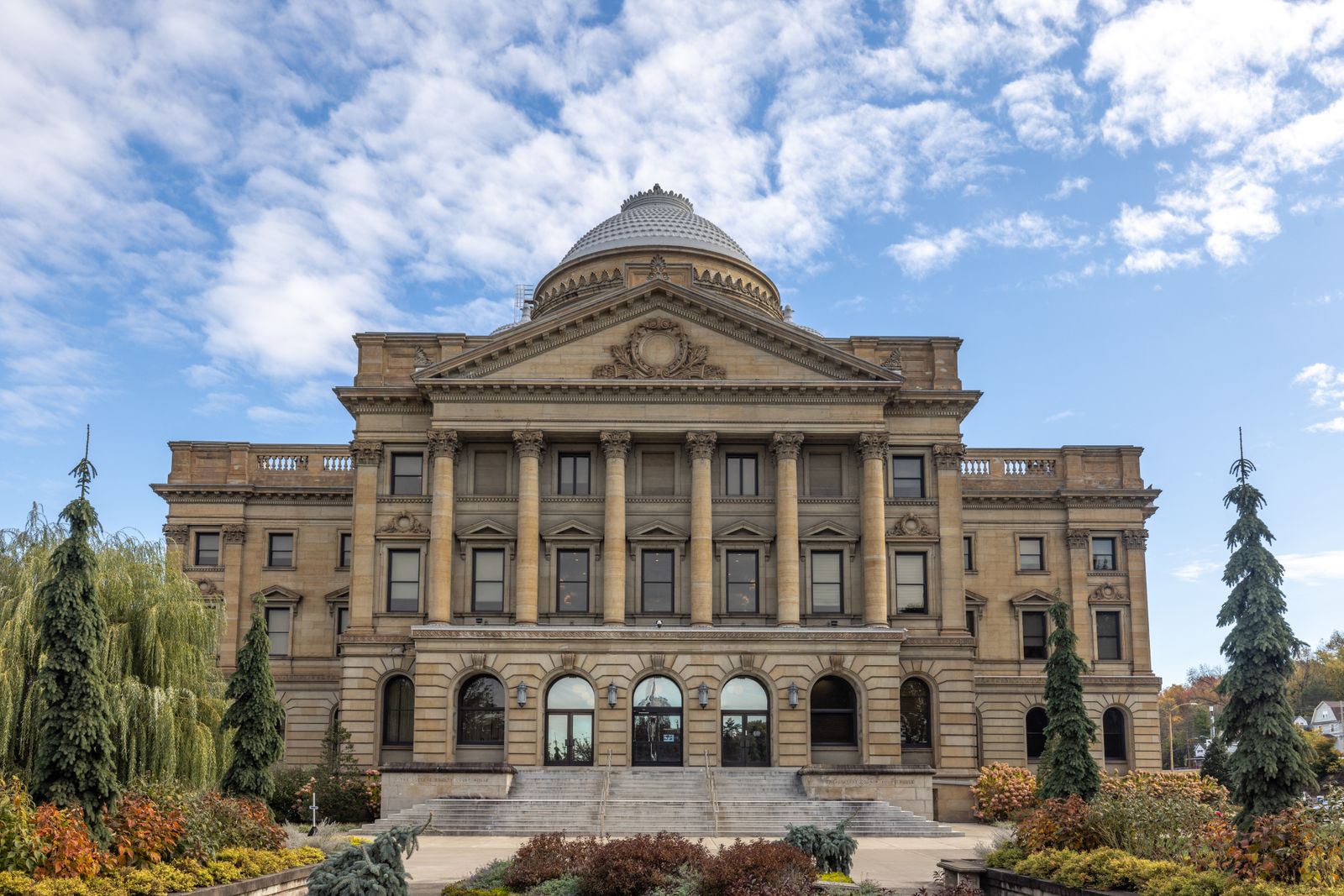
Booked at the Denver Detention Center
Miranda only bites once you are in custody and being interrogated. The protection is not automatic. You have to say the words, clearly, and then stop talking.
Say this
I am going to remain silent.
I want a lawyer. I am not answering any questions until my lawyer is here.
I do not consent to any search.
I am not waiving anything.
Not this
- Do not explain your side. Officers are trained to let you talk, and the recording never stops.
- Do not answer 'just a few background questions' after invoking. Re-invoke instead.
- Do not discuss the case on a jail phone. Every line except the attorney line is recorded.
- Do not talk to a cellmate about the case. Cellmates testify.
Miranda v. Arizona, 384 U.S. 436 (1966). An invocation must be unambiguous: Davis v. United States, 512 U.S. 452 (1994).

The first 72 hours after you get out
The case is now a paper trail. What you preserve this week is often what wins a motion four months from now.
Say this
Write down everything you remember tonight, while it is fresh, and date it.
Photograph any injuries, damage or clothing before anything changes.
Ask a lawyer before contacting anyone named in a protection order.
Bring the bond paperwork and the summons to the first meeting.
Not this
- Do not post about it. Screenshots of deleted posts still get filed as exhibits.
- Do not contact a protected party, even if they call you first. That is a separate charge under C.R.S. 18-6-803.5.
- Do not miss the DMV seven day window if there is a driving allegation.
- Do not talk to an investigator who calls you 'just to clear something up'.
Mandatory protection order in every criminal case: C.R.S. 18-1-1001. Violation of a protection order: C.R.S. 18-6-803.5.
If you remember nothing else
- 01
Invoke, do not hint
"I think maybe I should talk to a lawyer" is not an invocation. "I want a lawyer. I am not answering questions" is. An ambiguous request does not stop an interview, and courts have said so repeatedly.
- 02
Do not consent
Say it clearly and once: "I do not consent to a search." Then stop. Do not physically resist, and do not block anyone. Refusing is lawful; interfering is a new charge.
- 03
Then stop talking
Including to a cellmate, on a jail phone, on social media and in messages. The attorney line is the only call that is not recorded, and the only conversation that is privileged.
Six things people believe that are not true
If they did not read me my rights, the case gets thrown out.
Miranda applies to custodial interrogation. No questioning, no Miranda problem, and the remedy is usually suppression of the statement rather than dismissal of the case.
Refusing a search makes me look guilty.
It is a constitutional right and a jury never hears that you exercised it. Consenting, on the other hand, waives an argument you cannot get back.
I can explain it and clear this up.
Officers are trained to let you talk. Nothing you say at the roadside or in an interview room is used to help you, and the recording does not stop.
The other person can drop the charges.
The charging decision belongs to the district attorney. A complaining witness can be heard, but only through the prosecution, and never in breach of a protection order.
Roadside tests are compulsory in Colorado.
Voluntary roadside manoeuvres are not. The evidentiary breath or blood test after an arrest is a different question, with its own one year revocation for refusal.
A public defender means a worse outcome.
It does not. Colorado public defenders are experienced trial lawyers with heavy caseloads. If you qualify and cannot retain counsel, ask for one at the advisement rather than going unrepresented.
General information about Colorado and federal law, not legal advice, and reading it does not create an attorney-client relationship. If something is happening now, call (720) 555-0181.
If you have already said too much, that is still worth a phone call. Statements can be attacked.
Contacting us does not create an attorney-client relationship.